
Consider this: You have finally decided to retire your older smartphone. You walk into a retail store, upgrade your hardware to the latest iPhone, and decide it is the perfect time to optimize your cellular plan. Perhaps you are porting your lines from T-Mobile to Xfinity Mobile to take advantage of a home internet bundle. The physical migration of your device takes less than an hour. The SIM cards are swapped, the cloud backup restores your photos, and the screen lights up with your familiar background. But as you sit down to log into your daily services on the new device, several security challenges begin to emerge.
The most effective way to secure a personal digital identity during hardware upgrades or daily digital interactions is to entirely separate your permanent carrier phone number from everyday app registrations by utilizing temporary verification utilities. As a digital identity researcher, I consistently observe that while consumers eagerly upgrade their physical hardware, they often leave their personal data architecture vulnerable. Every service—from local coffee shop rewards to global travel portals—demands a phone number or email address to grant access. When you tie your core identity to these passing interactions, you create a permanent vulnerability that follows you from device to device.
The hidden infrastructure of modern data collection
We often operate under the assumption that our primary phone number is just a routing tool for calls and texts. In truth, it has become the master key to our digital footprint. As a mobile app company, Verity spends a considerable amount of time analyzing how this data is handled behind the screens. The environment is shifting, and the tools extracting your information are becoming increasingly efficient.

I recently reviewed a tech trends report from Deloitte Insights, which revealed a significant shift in how information is processed. According to recent research, artificial intelligence startups are scaling revenue far faster than traditional software-as-a-service companies ever did. Furthermore, the report highlights that the knowledge half-life in artificial intelligence has shrunk from years down to mere months. What does this rapid acceleration mean for your personal inbox and messaging apps? It means the systems designed to scrape, aggregate, and analyze your contact information are evolving at an unprecedented speed.
When you hand over your permanent mobile number to a one-time service, that data enters a highly volatile, algorithmic ecosystem. Your carrier number is no longer just a way to reach you; it is a persistent identifier used to build a profile of your behavior. Every time you upgrade your apps or download a new service, that permanent identifier is logged, shared, and frequently sold to third-party data brokers.
Why do permanent identities fail temporary interactions?
Consider how our changing behaviors exacerbate this vulnerability, especially when we are away from our home networks. Recent Skyscanner travel insights indicate that a majority of people are planning to travel more in the coming year, driving a surge in personalized, passion-driven experiences. Whether you are carrying the latest flagship or an older model across different countries, you are constantly prompted to verify your identity. You connect to unfamiliar hotel networks, sign up for temporary digital transit passes, and register for local booking platforms.
Each of these touchpoints demands a verification step. As I have previously researched regarding privacy utilities, users face two distinct vulnerabilities while roaming: exposing their active network traffic and over-sharing their primary contact details. We frequently trade our permanent identifiers for five minutes of convenience, leaving a trail of active data across servers we will never interact with again.
The blending of professional and personal lives creates another layer of vulnerability. According to the 2024 Sogolytics Experience Index, a high percentage of U.S. employees report a growing tension between digital efficiency and human connection. We are frequently asked to download specific communication tools or register for industry webinars using personal devices. When you use your primary number for these mandatory registrations, you permanently entangle your private identity with a corporate digital footprint. Establishing a temporary contact boundary preserves that crucial work-life separation.
Establish a functional buffer for your devices
The solution is not to stop using new services, but to change how we interact with them. This is the core philosophy that drives us at Verity. We build practical utilities that create a secure buffer between the public internet and your private life. If you need to register for a travel forum or a localized digital service, you shouldn't use the same phone number connected to your primary bank account.
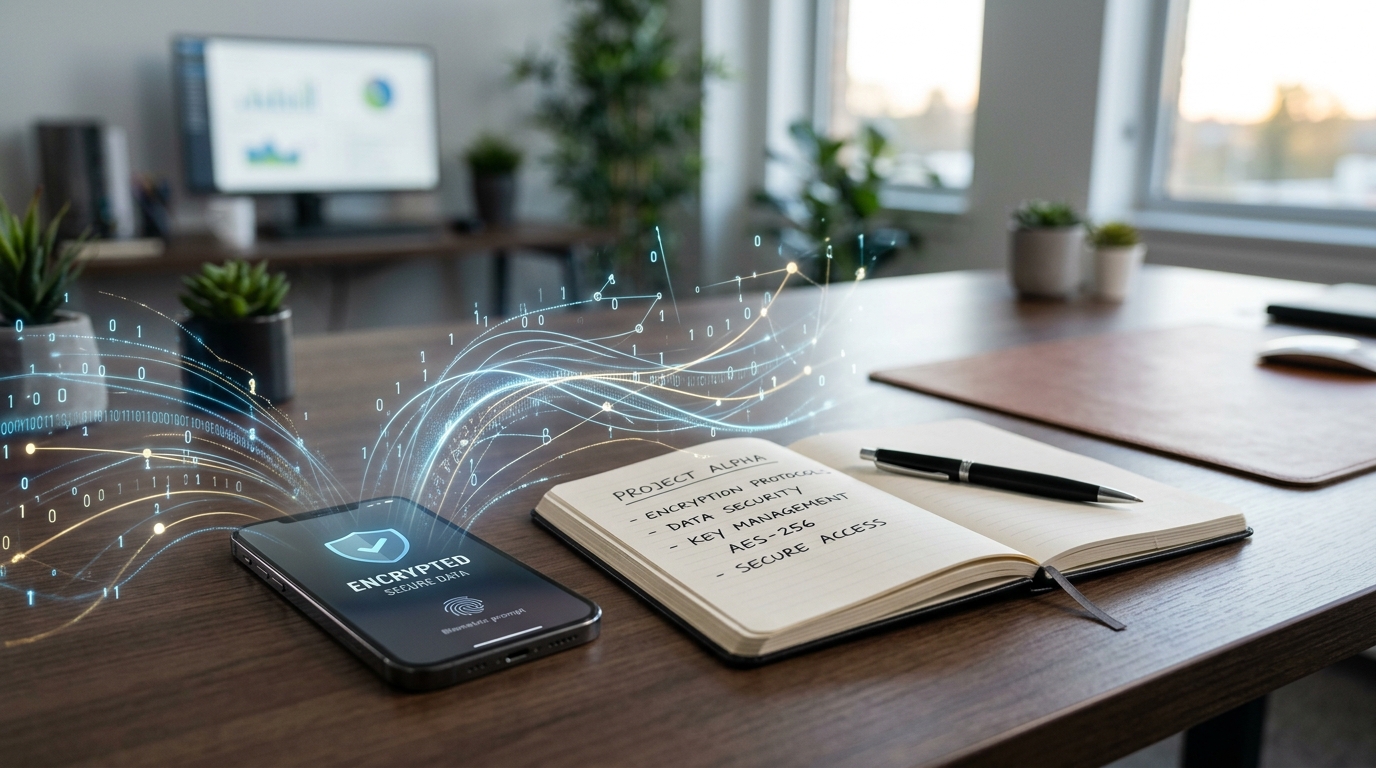
Instead, you can rely on tools specifically designed to handle these disposable interactions. For instance, you can use Receive SMS&Temp Mail: CodeApp to generate a temporary profile. This utility allows you to receive a verification code or confirmation mail without ever exposing your actual carrier number. The service requesting your information gets the verification it needs, and your primary inbox remains free of spam and tracking algorithms.
However, protecting your contact identity is only one component of the strategy. When you are registering for these services on public networks, your data transmission is equally vulnerable. Utilizing an application like VPN 111: Warp IP DNS Changer ensures that the connection you are using remains encrypted. These strategies include masking your physical location and securing your DNS requests, regardless of whether you are connected to a foreign Wi-Fi network or your domestic cellular provider.
Adopt a standard of zero unnecessary data sharing
We must move toward a model that defaults to zero permanent data points shared unless absolutely required. It shouldn't matter if you are typing on an older screen or the newest flagship device; your privacy strategy must transcend the physical hardware in your pocket.
My colleague Barış Ünal recently highlighted that long-term app decisions must stay anchored to real user needs, prioritizing functional isolation over bloated feature sets. When you isolate your network security from your identity verification, you regain control over your digital footprint.
In my experience, the users who experience the least digital friction are those who compartmentalize effectively. Treat your primary cellular number and personal email address with the same level of protection as your financial documents. For everything else, build a habit of using specialized, temporary verification tools. By the time you are ready for your next hardware upgrade, migrating your life will be as simple as swapping a device, rather than untangling years of compromised personal data.